Buying a home in Utah - whether it’s a cozy bungalow in Provo, a ski chalet in Park City, or a family home in Heber Valley - is an exciting step. But before you fall in love with granite countertops or mountain views, you need to take a closer look at something most buyers overlook: the roof.
A roof might not be as glamorous as a new kitchen or backyard patio, but it’s one of the most expensive parts of your home to repair or replace. And in Utah’s climate - where roofs face blazing sun, heavy snow, ice dams, and strong winds - it’s especially important to know what you’re getting into before you sign on the dotted line.
So what should you look for? Here are the roofing red flags every Utah homebuyer should watch for - and what they could mean for your future investment.
Utah homeowners deal with a unique mix of weather. On the Wasatch Front (Salt Lake City, Ogden, Provo, Spanish Fork), roofs need to handle hot summers, wind, and seasonal rainstorms. On the Wasatch Back (Heber City, Park City, Morgan), homes face heavy snow loads, ice dams, and high-altitude sun that accelerates wear.
Because of this, the condition of a roof can dramatically affect:
Spotting issues early during the buying process helps you negotiate repairs, budget wisely, and avoid nasty surprises after move-in day.
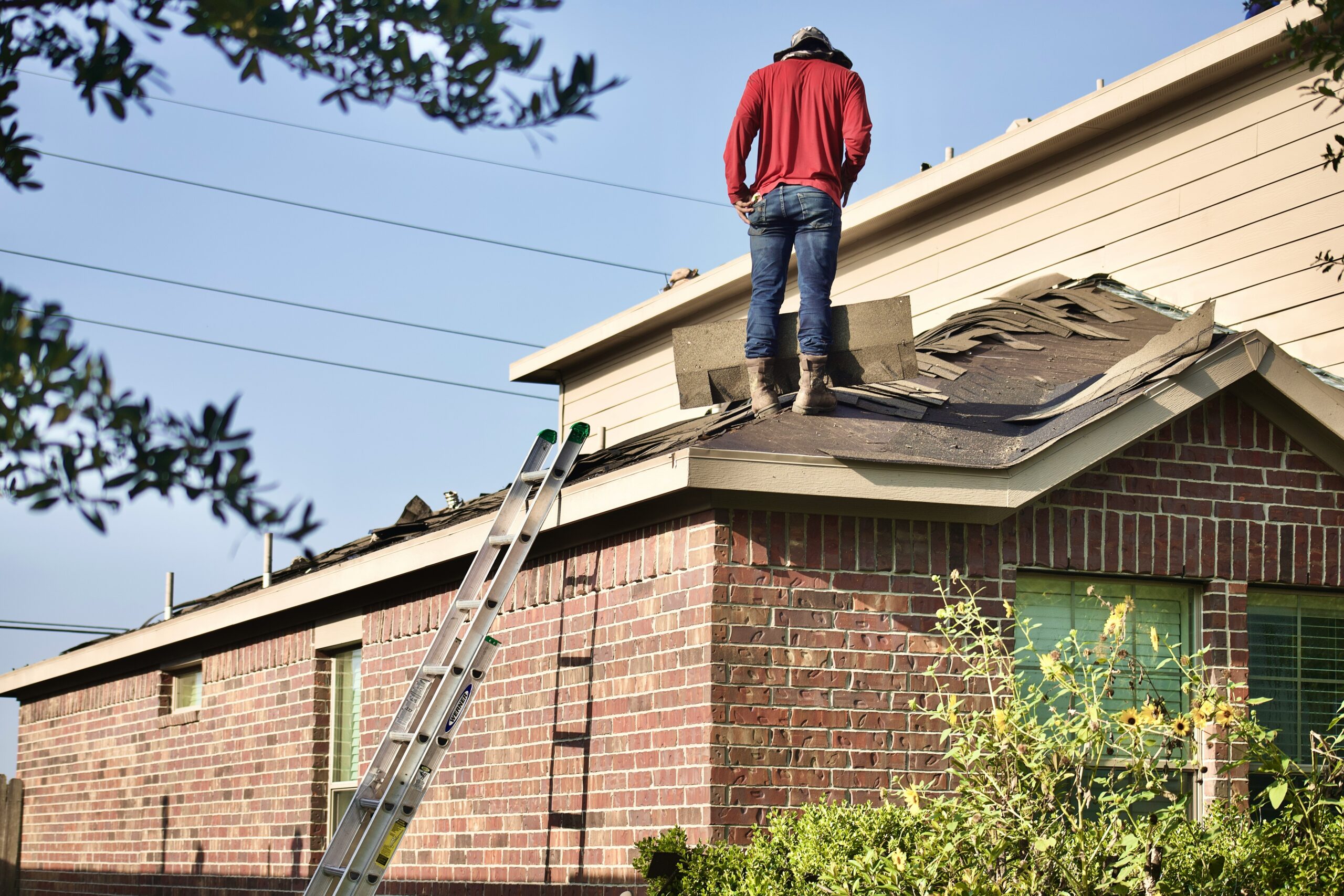
Take a step back from the house and look at the roof. Do you see shingles that look curled, cracked, or missing altogether? That’s one of the clearest signs of an aging roof.
In Utah County, where asphalt shingles are common, these issues usually mean:
(conclusion sentence) Tip for buyers: If more than a few shingles are missing or deteriorating, the roof may need a full replacement soon—not just a quick patch.
Stand across the street and check out the roof’s silhouette. Does it look straight and level? Or do you see sags, dips, or uneven sections?
A sagging roof could point to:
This isn’t just cosmetic - it could mean expensive structural repairs are on the horizon.
If you’re touring a home, peek inside the gutters (or look at the ground below the downspouts). Do you see small sand-like granules? Those are from asphalt shingles losing their protective coating.
Granule loss is common in Utah homes because of:
Once shingles lose granules, they can’t protect against water damage as effectively.
Water stains on ceilings, peeling paint near roof lines, or musty smells in the attic are strong signs of a leaky roof. In Utah, leaks often come from:
(conclusion) Pro tip: Ask the seller if you can take a quick look in the attic. Signs of moisture, mold, or sagging insulation almost always mean roof problems.
Flashing is the thin metal installed around chimneys, skylights, valleys, and roof edges to prevent leaks. If it’s rusty, bent, or missing, water is probably sneaking into the home.
In Salt Lake City and Provo homes, flashing issues are one of the most common causes of roof leaks. Replacing flashing isn’t as expensive as a full roof replacement, but if it’s failing in multiple places, it’s a sign the roof wasn’t well-maintained.
Ventilation is the unsung hero of a healthy roof. Without it, heat and moisture get trapped in the attic, causing shingles to age faster and ice dams to form in winter.
How can you tell? Look for:
Many Utah homes-especially older ones-have poor ventilation systems, which leads to shorter roof lifespans.
Some homeowners “re-roof” by installing new shingles over the old ones. While this can save money in the short term, it can be a red flag for buyers.
Why?
If you find out a home has multiple roofing layers, budget for a full tear-off sooner rather than later.
Even if the roof looks fine from the street, ask about its age. Most materials have a set lifespan in Utah’s climate:
If the roof is nearing the end of its expected lifespan, you’ll need to plan for a replacement in the next few years.
Gutters aren’t technically part of the roof, but they play a huge role in protecting it. Watch out for:
Poor drainage can cause water to back up under shingles, leading to rot and leaks.
Finally, keep an eye out for DIY patches or sloppy repairs. Mismatched shingles, messy tar patches, or crooked flashing are indicators that problems were “fixed” quickly instead of properly.
A roof with poor repairs is more likely to fail sooner, costing you money after move-in.
Finding roofing issues doesn’t always mean you should walk away from a home. Instead, it gives you leverage. Here’s what to do:
Your dream home in Salt Lake City, Provo, Park City, or Heber might look perfect on the inside—but don’t forget to check the roof. Spotting red flags early can save you thousands of dollars, protect your investment, and give you peace of mind before you move in.
At Cardinal Roofing, we specialize in helping Utah homeowners (and homebuyers!) understand the true condition of their roof. Whether you need a detailed roof inspection, certification, or repair estimate, our team is here to guide you through the process.