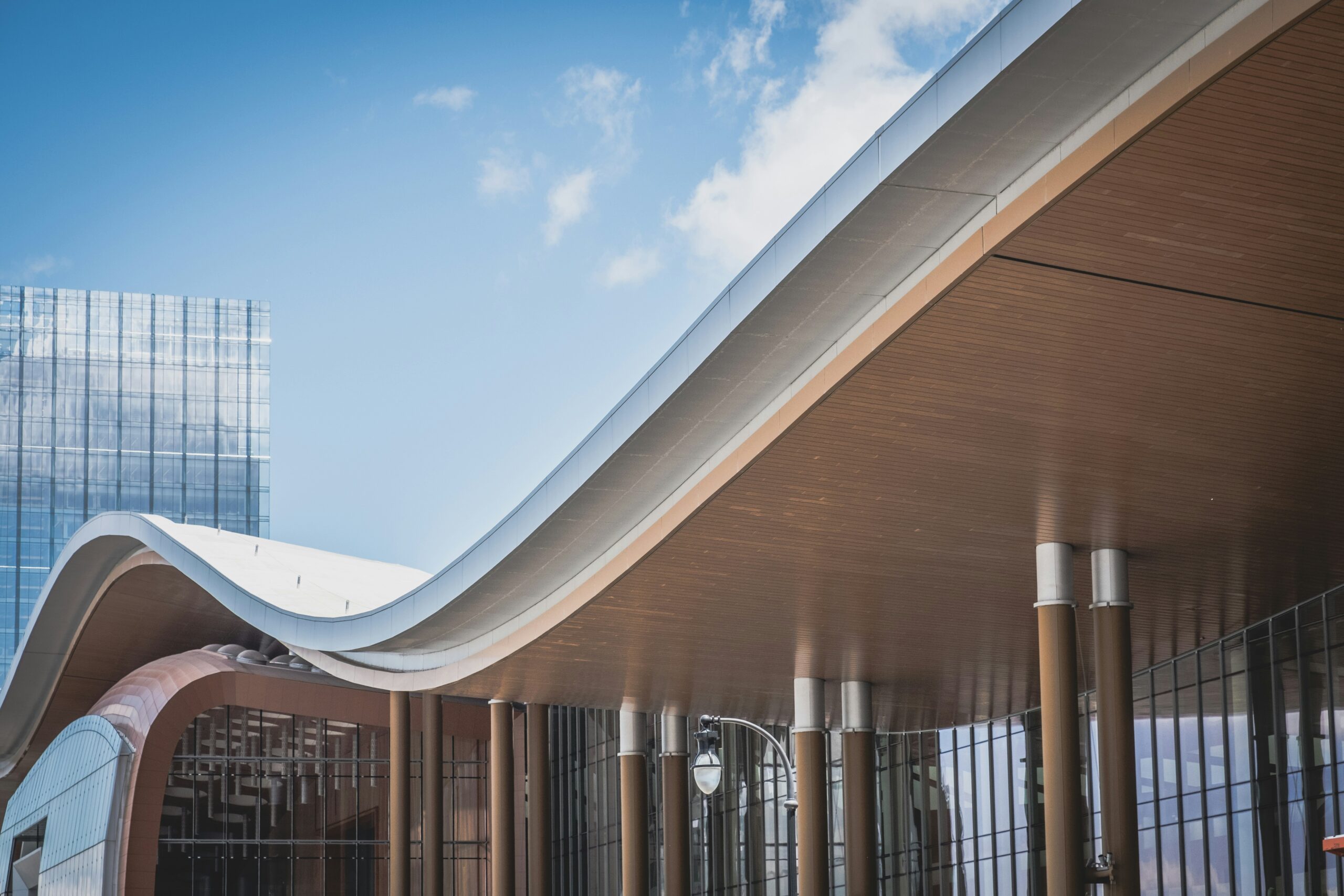
If you’ve ever looked up at a flat or low-sloped roof and wondered what that sleek, smooth surface is, it’s likely membrane roofing. This modern roofing system is a favorite for commercial buildings, cabins, and even modern-style homes across Utah. Known for its clean look, watertight protection, and impressive durability, membrane roofing has become one of the smartest roofing investments for Utah property owners.
In this guide, we’ll walk through everything you need to know about membrane roofing. What it is, the types available, how to maintain it, and whether it’s the right choice for your Utah home or business.
Membrane roofing is a single-layer or multi-layer roofing system designed primarily for flat or low-slope roofs. Unlike traditional asphalt shingles or metal panels, membrane roofing uses flexible sheets of synthetic materials to form a watertight seal that protects the structure from leaks, standing water, and UV damage.
There are a few main types of membrane roofing, each with its own strengths:
Often called “rubber roofing,” EPDM is a synthetic rubber membrane that’s incredibly durable, flexible, and resistant to UV rays. It’s been used for decades and is popular for both residential and commercial applications.
Pros:
Cons:
TPO has become one of the most popular roofing membranes in recent years. It’s a single-ply reflective roofing material that’s energy-efficient, UV-resistant, and great for Utah’s temperature swings.
Pros:
Cons:
PVC roofing is another thermoplastic membrane known for its durability and chemical resistance. It’s often used on commercial or industrial buildings but can also be a great choice for homes with flat or low-pitch roofs.
Pros:
Cons:
Membrane roofing is specifically designed for flat or low-sloped roofs, the kinds you’ll often see on:
Traditional asphalt shingles or metal roofs are great for steep slopes, but they’re not ideal for areas where water can pool. That’s where membrane roofing shines. It provides a continuous, watertight barrier that keeps standing water and snowmelt from seeping in.
In Utah’s mountain communities like Heber City and Park City, where snow can pile up on flat roofs during winter, membrane roofing helps prevent leaks and ice damage that would otherwise destroy traditional roofing materials.
In short: absolutely! Utah’s climate can be tough on roofs. Between high-altitude sun, summer heat, and winter snowstorms, you need a roof that’s strong, flexible, and low-maintenance.
Here’s why membrane roofing works so well here:
At higher elevations like Park City and Wasatch County, the sun’s UV rays are stronger and can quickly age traditional roofing materials. Membrane roofing (especially TPO and PVC) reflects sunlight, reducing heat absorption and preventing premature cracking or fading.
Because it’s watertight and flexible, membrane roofing performs exceptionally well in snowy conditions. It expands and contracts with temperature changes without cracking, and its smooth surface helps snow melt and drain off more evenly.
TPO and PVC membranes are naturally reflective, helping to lower cooling costs during Utah’s hot summers. In commercial settings or homes with air conditioning, this can make a noticeable difference in utility bills.
Unlike shingle roofs that can lose granules or require frequent patching, membrane roofs are easy to maintain and rarely need major repairs. With regular inspections and occasional cleaning, they can last 25–30 years or more.
Many Utah homeowners are embracing modern and mountain-contemporary architecture, which often features flat or low-sloped roofs. Membrane roofing perfectly complements these designs with a clean, streamlined appearance that enhances curb appeal.
Even though membrane roofs are low-maintenance, regular care is key to maximizing their lifespan. Here’s a simple maintenance plan any Utah homeowner or property manager can follow:
In Utah, it’s smart to have your membrane roof inspected at least once a year. Ideally, in the spring or fall. A professional roofer will check for signs of wear, punctures, loose seams, or drainage issues.
If you’re in a snow-heavy area like Heber or Park City, consider an additional inspection after winter to ensure snow and ice didn’t cause damage.
Remove debris like sticks, leaves, and dirt that can trap moisture or cause punctures. You can rinse the roof with a hose or gentle pressure washer, but avoid harsh chemicals that could degrade the membrane.
Flat roofs depend on clear drainage systems to prevent pooling water. Keep scuppers, drains, and gutters free of blockages. Especially after storms or during fall leaf season.
If you need to access the roof (for HVAC work or maintenance), use designated walk pads to prevent scuffs and punctures. Some membranes can be easily damaged by sharp tools or frequent walking.
If you spot a puncture, loose seam, or bubbling, call a roofing professional right away. Minor issues can usually be patched quickly and affordably, but if ignored, they can lead to leaks or structural damage.
Like many roofing systems, membrane roofing sometimes gets misunderstood. Let’s clear up a few myths:
Myth 1: “Membrane roofs can’t handle snow.”
Not true! When properly installed with good drainage, membrane roofing handles snow and ice better than most other materials. In fact, it’s one of the best choices for Utah’s mountain regions.
Myth 2: “They only work for commercial buildings.”
While you’ll see membrane roofs on commercial structures, they’re increasingly popular for residential homes—especially modern or flat-roof styles in places like Park City and Midway.
Myth 3: “Membrane roofs are high-maintenance.”
Actually, the opposite is true. Membrane roofs are designed to be low-maintenance and long-lasting. With minimal upkeep, they can easily outlast traditional shingles in Utah’s climate.
Lifespan depends on the type of membrane and how well it’s maintained, but here’s a general guide for Utah conditions:
Regular inspections, cleaning, and professional maintenance can easily add a few extra years to that lifespan.
How to Know If a Membrane Roof Is Right for You
If your home or business has a flat or low-sloped roof, membrane roofing is likely your best option. It’s especially ideal if:
If you’re unsure which type (EPDM, TPO, or PVC) is best for your property, a local roofing expert can evaluate your roof’s design, budget, and needs to recommend the perfect fit.
Why Choose a Local Utah Roofing Expert
Membrane roofing requires precision installation, and Utah’s weather adds an extra layer of complexity. Choosing a local, experienced roofing company ensures your roof is installed and sealed properly for long-term performance.
At Cardinal Roofing, we’ve installed and maintained hundreds of membrane roofs across Wasatch County, Utah County, and Summit County. Our team understands how Utah’s sun, snow, and temperature swings affect your roof. We tailor every project to those conditions.
Whether you need a new membrane roof installation, routine roof maintenance, or help identifying roof leaks and drainage issues, we’re here to help protect your home or business year-round.
Membrane roofing is one of the most versatile and reliable roofing systems on the market today, especially for Utah’s flat and low-slope roofs. It’s durable, energy-efficient, and built to handle the unique challenges of our high-altitude climate.
Whether you’re building a new home in Heber, maintaining a commercial building in Utah County, or upgrading a cabin roof in Park City, membrane roofing could be the smart, long-term solution you’ve been looking for.
Protect your property with confidence. Contact Cardinal Roofing today to learn more about membrane roofing installation and maintenance across Heber Valley, Park City, and beyond. We’ll help you choose the best system for your structure, climate, and budget, so your roof lasts for decades to come.