What Utah Homeowners Need to Know About Snow Load
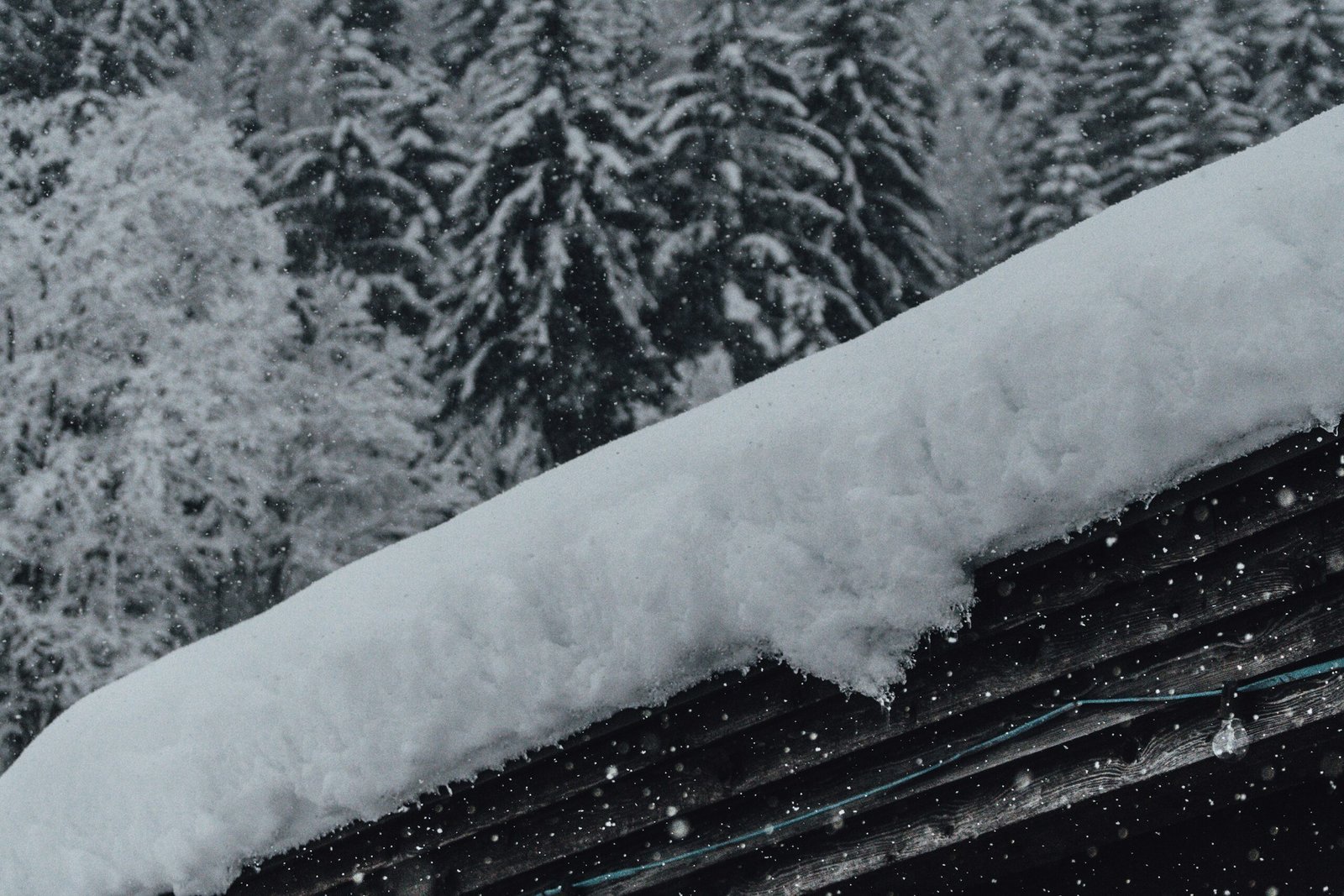
Living in Utah means dealing with real winters. And while fresh snow looks great on the mountains, it’s a different story when it’s piling up on your roof. Snow load — the weight of accumulated snow and ice — is one of the biggest threats to residential roofs in our state. Here’s what you need to understand.
What Is Snow Load, Exactly?
Snow load is simply the weight that accumulated snow and ice puts on your roof. But here’s the thing — not all snow weighs the same. Light, fluffy powder might only weigh 5 pounds per cubic foot. That heavy, wet snow we get during spring storms? That can hit 20 pounds per cubic foot. And when you add layers of ice underneath from freeze-thaw cycles, the weight adds up fast.
Why It’s a Big Deal Along the Wasatch
Communities from Ogden down to Provo and up into Heber, Park City, and the Wasatch Back deal with repeated freeze-thaw cycles all winter long. Snow melts during the day, refreezes at night, and compacts into dense, heavy layers. This creates problems that go beyond just weight:
- Ice dams that block drainage and force water under your shingles
- Roof leaks from melting snow seeping into cracks and seams
- Gutter damage from the sheer weight of ice buildup
- Structural failure in extreme cases — roof sections can actually collapse
How Your Roof Design Matters
Not every roof handles snow the same way. Steeper roofs shed snow naturally, while flat or low-slope roofs let it pile up. Material choice plays a role too:
- Metal roofing — snow slides off the smooth surface, reducing load dramatically
- Asphalt shingles — the textured surface holds snow longer, increasing weight over time
- Membrane roofing — flat roofs with membrane systems need to be engineered for the extra load
Roof features like valleys, dormers, and multiple levels can trap snow in pockets, creating concentrated weight that’s harder on the structure.
Warning Signs You Shouldn’t Ignore
After a big storm or a long stretch of cold weather, watch for these red flags:
- Sagging or bowing in your roofline or ceilings
- New cracks in drywall or interior walls
- Creaking or popping sounds from the attic
- Water stains or active leaks on the ceiling
- Doors or windows that suddenly stick or won’t close
Any of these could mean your roof is under too much stress. Don’t go up there to check — call a professional.
How to Prevent Snow Load Damage
Build It Right
If you’re building new or getting a full replacement, make sure your trusses, beams, and decking are rated for local snow load requirements. Utah building codes specify minimum load ratings for a reason — they’re based on actual snowfall data for your area.
Stay on Top of Maintenance
- Use a roof rake to remove snow from the edges after heavy storms
- Keep gutters clear of ice and debris
- Inspect flashing and seals regularly, especially in valleys
- Make sure your attic insulation and ventilation are doing their jobs — this is how you prevent ice dams
Get Annual Inspections
A professional inspection before and after winter should check for soft spots, sagging, gutter integrity, and seal condition. Catching a problem early is always cheaper than dealing with a failure.
If You Suspect Damage
- Stay off the roof. It’s dangerous when it’s stressed.
- Document everything — photos, videos, dates — for your insurance claim.
- Call a licensed roofer who can assess the situation safely.
- File an insurance claim if the damage warrants it — don’t delay, especially before spring thaw makes things worse.
Need help with your roof? Call Cardinal Roofing at (801) 330-0311 or get a free estimate. We’ve been helping homeowners across the Wasatch Front and Back deal with snow load, ice dams, and everything winter throws at Utah roofs.
Need Help With Your Roof?
Whether it's storm damage, an aging roof, or a new build -- we're here to help. Get a free estimate from a local Utah roofer.