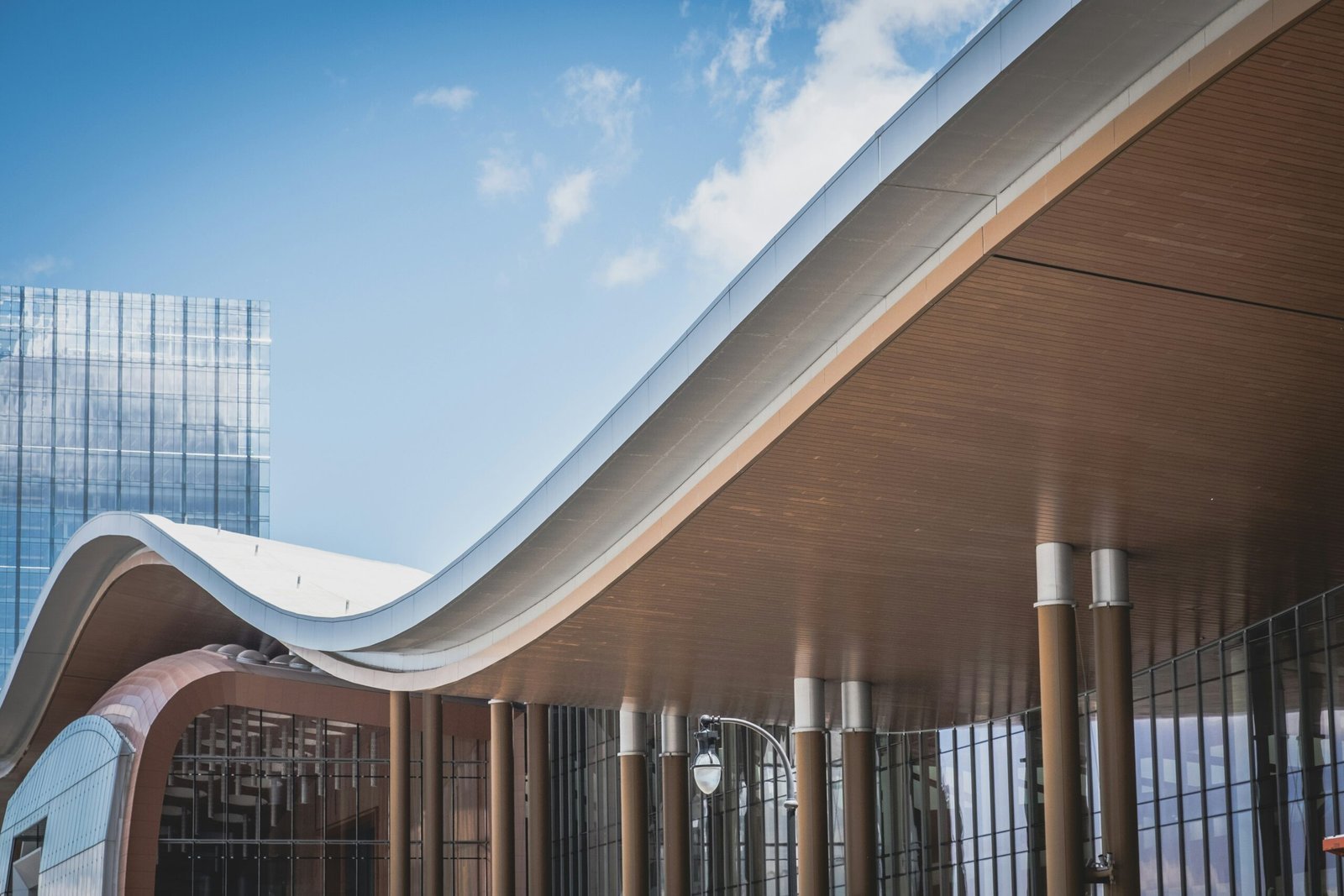
If you’ve got a flat or low-slope roof — whether it’s on a commercial building, a mountain cabin, or a modern home — membrane roofing is probably your best option. It’s designed to create a watertight seal that holds up against leaks, standing water, and UV damage. Here’s what you need to know about the different types and how they perform in Utah.
What Is Membrane Roofing?
Membrane roofing uses flexible sheets of synthetic material to seal flat or low-slope roofs. Unlike traditional shingles that rely on overlap and gravity, membranes form a continuous barrier. It’s a clean, modern system built for structures where pitched roofing doesn’t work.
The Three Main Types
EPDM (Rubber Roofing)
EPDM is a synthetic rubber membrane. It’s affordable, handles UV well, and lasts 20–30 years with proper care. The downside: standard EPDM is black and absorbs heat, and it can be punctured by sharp debris or foot traffic. Lighter-colored options are available.
TPO (Thermoplastic Polyolefin)
TPO has become one of the most popular choices for flat roofs. The white reflective surface cuts cooling costs, and heat-welded seams create strong waterproof bonds. It resists algae, dirt, and tears. Just make sure you go with a reputable manufacturer — quality varies — and get professional installation for the seam welding.
PVC (Polyvinyl Chloride)
PVC is the premium option. It’s highly resistant to chemicals, oils, and grease, which makes it great for commercial applications. The reflective surface helps with energy efficiency, and it can last 25–35 years. It costs more upfront, and it needs proper maintenance to avoid getting brittle over time.
Where Membrane Roofing Works Best
- Commercial buildings and warehouses
- Mountain cabins and modern-style homes
- Garages, carports, and additions
- Porch and patio roofs
Why It Works Well in Utah
UV resistance. At our elevation, UV is 15–25% stronger. Membrane roofing reflects sunlight instead of absorbing it, which prevents premature cracking and fading.
Snow and ice performance. These systems flex with temperature swings without cracking. That’s critical when you’re going from 15 degrees at night to 45 during the day in a Heber winter.
Energy efficiency. TPO and PVC membranes reflect heat, reducing cooling costs during those hot July and August stretches.
Low maintenance. Compared to shingle roofs, membrane systems rarely need major repairs. Regular inspections keep them going 25–30 years or more.
Clean look. If you’ve got a modern or mountain-contemporary home, membrane roofing fits the aesthetic perfectly.
Maintenance Tips
- Inspect annually in spring or fall. Add a winter check if you’re in a snowy area.
- Keep it clean. Remove debris that traps moisture. Rinse gently — no harsh chemicals.
- Clear drains and gutters. Water pooling is the enemy of flat roofs.
- Use walk pads in high-traffic areas to prevent punctures.
- Fix small issues immediately. A minor patch is cheap. Ignoring it isn’t.
Common Myths
Myth: Membrane roofs can’t handle snow. They absolutely can — with proper drainage and installation, they outperform most materials in snowy areas.
Myth: They’re only for commercial buildings. More and more homeowners with flat or low-pitch roofs are choosing membrane systems.
Myth: They’re high-maintenance. The opposite is true. They’re designed for minimal upkeep and often outlast traditional shingles here in Utah.
How Long Do They Last?
- EPDM: 20–30 years
- TPO: 20–30 years
- PVC: 25–35 years
Regular maintenance can push those numbers even further.
Need help with your roof? Call Cardinal Roofing at (801) 330-0311 or get a free estimate.
Need Help With Your Roof?
Whether it's storm damage, an aging roof, or a new build -- we're here to help. Get a free estimate from a local Utah roofer.